Running a small business doesn’t mean you have to compromise on customer relationships. With the right affordable CRM software for small business, you can streamline sales, boost customer satisfaction, and grow smarter—without breaking the bank.
[ez-toc]





Why Affordable CRM Software for Small Business Is a Game-Changer

Small businesses often operate with limited budgets and tight resources. Yet, one of the most critical aspects of sustainable growth is managing customer relationships effectively. This is where affordable CRM software for small business comes into play. A Customer Relationship Management (CRM) system helps businesses organize customer data, track interactions, automate follow-ups, and improve sales efficiency—all in one centralized platform.
Improves Customer Retention and Satisfaction
One of the biggest advantages of using affordable CRM software for small business is the ability to maintain consistent communication with customers. By storing contact details, purchase history, and support tickets in one place, teams can respond faster and more personally. According to Salesforce’s State of Sales Report, companies using CRM systems see up to a 36% increase in customer satisfaction.
- Centralized customer profiles enhance personalization
- Automated reminders reduce missed follow-ups
- Quick access to past interactions improves service quality
“CRM isn’t just for big corporations. For small businesses, it’s the secret weapon to compete with larger players.” — HubSpot Blog
Boosts Sales Productivity and Forecasting
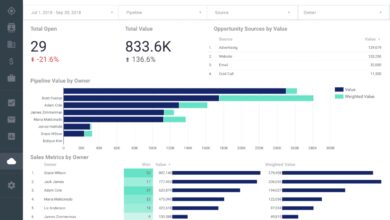
Sales teams in small businesses often juggle multiple roles. Affordable CRM software for small business helps them stay organized by tracking leads, managing pipelines, and forecasting revenue. With visual dashboards and automated data entry, sales reps spend less time on admin and more time closing deals.
Tools like Zoho CRM and HubSpot offer drag-and-drop pipeline views that make it easy to see where each lead stands. This visibility allows small business owners to identify bottlenecks and adjust strategies in real time. A study by Nucleus Research found that every dollar invested in CRM returns an average of $8.71 in return.
Top 7 Affordable CRM Software for Small Business in 2024
Choosing the right CRM can be overwhelming, especially when budget is a concern. To help you make an informed decision, we’ve compiled a list of the 7 best affordable CRM software for small business that balance cost, functionality, and ease of use.
1. HubSpot CRM
HubSpot CRM is widely regarded as one of the most user-friendly and powerful free CRM platforms available. It’s perfect for startups and small businesses looking to scale without upfront costs. The free version includes contact management, email tracking, deal pipelines, and live chat support.
- Free forever plan with robust features
- Seamless integration with Gmail, Outlook, and Slack
- Advanced automation and reporting in paid tiers
While the free version is feature-rich, upgrading to paid plans (starting at $20/month) unlocks marketing, sales, and service hubs. HubSpot’s intuitive interface and extensive knowledge base make onboarding quick and painless. Learn more at HubSpot CRM.
2. Zoho CRM
Zoho CRM offers a comprehensive suite of tools tailored for small to mid-sized businesses. Known for its AI-powered assistant, Zia, Zoho helps automate routine tasks like lead scoring, follow-up reminders, and sentiment analysis.
- Flexible pricing starting at $14/user/month
- AI-driven insights and workflow automation
- Strong mobile app for on-the-go access
Zoho CRM integrates with over 500 applications, including QuickBooks, Mailchimp, and Google Workspace. Its customization options allow businesses to tailor fields, modules, and workflows to their specific needs. For more details, visit Zoho CRM.
3. Freshsales (by Freshworks)
Freshsales stands out for its built-in phone, email, and chat capabilities, making it ideal for sales-driven small businesses. It offers a clean interface, AI-based lead scoring, and visual deal pipelines.
- Free plan available for up to 3 users
- Click-to-call and voicemail drop features
- Real-time activity tracking and email sequences
The free plan includes 10,000 contacts and 1,000 emails per month. Paid plans start at $15/user/month and include advanced analytics and workflow automation. Explore Freshsales at Freshworks CRM.
4. Insightly
Insightly is a great choice for small businesses that need project management alongside CRM functionality. It combines contact management, opportunity tracking, and project timelines in one platform.
- Starting at $29/user/month (billed annually)
- Project and task management integration
- Workflow automation and customer journey mapping
While slightly more expensive than others, Insightly’s ability to link projects to customer accounts makes it valuable for service-based businesses like consultants, contractors, and agencies. More info at Insightly.
5. Capsule CRM
Capsule CRM is a simple yet effective tool designed for small businesses that want a no-fuss CRM. It focuses on core CRM functions like contact management, sales pipeline tracking, and task scheduling.
- Free plan for up to 2 users
- Paid plans start at $18/user/month
- Integrates with Xero, Mailchimp, and Google Calendar
Capsule is ideal for businesses that don’t need complex automation but still want reliable organization. Its clean design and ease of use make it a favorite among solopreneurs and small teams. Visit Capsule CRM for more.
6. Agile CRM
Agile CRM combines CRM, marketing automation, and telephony in one affordable package. It’s particularly suited for small businesses looking to automate outreach and manage customer lifecycles.
- Free plan for up to 10 users
- Paid plans start at $9.99/user/month
- Features include email campaigns, web tracking, and appointment scheduling
Agile CRM’s strength lies in its all-in-one approach. However, some users report a steeper learning curve due to the abundance of features. Still, for the price, it offers exceptional value. Learn more at Agile CRM.
7. Bitrix24
Bitrix24 is a feature-rich platform that goes beyond CRM to include collaboration tools like task management, document sharing, and video conferencing. It’s perfect for small businesses wanting an integrated workspace.
- Free plan for up to 12 users
- Paid plans start at $4.20/user/month
- Includes CRM, intranet, and communication tools
While the interface can feel cluttered at first, Bitrix24’s affordability and breadth of features make it a compelling option. It’s especially useful for remote teams. Check it out at Bitrix24.
Key Features to Look for in Affordable CRM Software for Small Business
Not all CRM systems are created equal. When evaluating affordable CRM software for small business, it’s essential to focus on features that deliver real value without unnecessary complexity.
Contact and Lead Management
The foundation of any CRM is its ability to store and organize customer information. Look for tools that allow you to import contacts easily, segment them into lists, and track interactions across email, phone, and social media.
- Custom fields for tailored data collection
- Duplicate merging to keep databases clean
- Tagging and filtering for quick searches
Effective lead management also includes lead scoring and assignment rules, which help prioritize high-value prospects and distribute them among team members fairly.
Sales Pipeline and Deal Tracking
A visual sales pipeline helps small businesses understand where each deal stands and forecast revenue more accurately. The best affordable CRM software for small business offers customizable stages, drag-and-drop functionality, and real-time updates.
- Deal value and close date tracking
- Probability-based forecasting
- Automated notifications for stalled deals
Tools like HubSpot and Zoho CRM provide pipeline analytics that show conversion rates and average deal duration—critical insights for improving sales performance.
Automation and Workflow Tools
Time is a precious resource for small businesses. Automation features in affordable CRM software for small business can save hours each week by handling repetitive tasks.
- Email sequences and follow-up reminders
- Task assignment based on triggers
- Auto-logging calls and emails from integrated apps
For example, you can set up a workflow that automatically assigns a new lead to a sales rep, sends a welcome email, and schedules a follow-up call—all without manual intervention.
How to Choose the Right Affordable CRM Software for Small Business
Selecting the right CRM isn’t just about price—it’s about fit. A tool that works for a retail store might not suit a consulting firm. Here’s a step-by-step guide to help you make the best choice.
Assess Your Business Needs
Start by identifying your primary goals. Are you looking to improve sales efficiency? Enhance customer service? Automate marketing? List your must-have features and nice-to-have ones.
- Define your sales process stages
- Determine how many users need access
- Identify key integrations (e.g., email, calendar, accounting)
This clarity will help you avoid overpaying for features you won’t use or underestimating your needs.
Consider Scalability and Integration
Your business will grow, and your CRM should grow with it. Choose affordable CRM software for small business that offers tiered pricing and supports integrations with tools you already use or plan to adopt.
- Check compatibility with Google Workspace, Microsoft 365, or Slack
- Ensure it connects with your email marketing platform
- Look for API access if you need custom development
For instance, Zoho CRM integrates seamlessly with Zoho Books, making it ideal for businesses already in the Zoho ecosystem.
Test with Free Trials and Demos
Most affordable CRM software for small business offers free trials or live demos. Take advantage of these to test usability, performance, and support responsiveness.
- Invite team members to try the interface
- Import sample data to see how it handles real-world scenarios
- Test mobile app functionality if remote access is important
HubSpot and Freshsales, for example, offer free plans that let you use the tool indefinitely with basic features—perfect for testing long-term viability.
Common Mistakes to Avoid When Implementing CRM
Even the best affordable CRM software for small business can fail if not implemented correctly. Avoid these common pitfalls to ensure a smooth rollout.
Poor Data Migration and Cleanup
Importing messy or outdated data into a new CRM can lead to confusion and inefficiency. Before migrating, clean your existing database by removing duplicates, updating contact info, and standardizing formats.
- Use CSV templates provided by the CRM vendor
- Validate email addresses and phone numbers
- Map fields correctly during import
Many platforms like Zoho and HubSpot offer data migration services or guides to help you through this process.
Lack of Team Training and Adoption
A CRM is only as good as the people using it. If your team doesn’t understand how to use the system, they’ll revert to spreadsheets or email.
- Provide hands-on training sessions
- Create simple user guides or video tutorials
- Assign a CRM champion to answer questions
According to CIO.com, poor user adoption is the #1 reason CRM projects fail. Make sure everyone sees the value in using the tool daily.
Over-Customization Too Early
While customization is powerful, overdoing it early can lead to complexity and confusion. Start with default settings and gradually add custom fields, workflows, and automations as you learn the system.
“Simplicity is the ultimate sophistication.” — Leonardo da Vinci
Resist the urge to build a perfect system on day one. Let your team adapt first, then refine based on real usage patterns.
Benefits of Using Affordable CRM Software for Small Business
Investing in affordable CRM software for small business isn’t just about saving time—it’s about driving growth and improving customer experiences.
Increased Sales Efficiency
With automated reminders, centralized lead tracking, and real-time insights, sales teams can focus on selling rather than admin. CRM tools reduce the time spent searching for information and increase the time spent engaging with prospects.
- Shorter sales cycles due to better follow-up
- Higher conversion rates from targeted outreach
- Improved team collaboration through shared visibility
A study by Capterra found that 65% of sales reps using CRM exceeded their quotas, compared to only 22% who didn’t.
Better Customer Insights and Personalization
CRM systems collect data from every customer interaction, allowing businesses to understand preferences, behaviors, and pain points. This data enables personalized communication, which customers increasingly expect.
- Send targeted emails based on purchase history
- Anticipate needs using past service requests
- Deliver consistent messaging across channels
Personalization isn’t just a nice-to-have—it’s a competitive advantage. According to McKinsey, personalization can reduce acquisition costs by up to 50% and increase revenue by 5-15%.
Improved Team Collaboration and Accountability
When everyone has access to the same customer data, collaboration improves. Managers can track performance, assign tasks, and ensure accountability—all within the CRM.
- Visibility into team activity and deal progress
- Audit trails for customer communications
- Shared calendars and task lists
This transparency fosters a culture of responsibility and continuous improvement.
Future Trends in Affordable CRM Software for Small Business
The CRM landscape is evolving rapidly, with new technologies making powerful tools more accessible than ever. Staying ahead of trends ensures your small business remains competitive.
AI and Predictive Analytics
Artificial intelligence is no longer reserved for enterprise software. Affordable CRM software for small business now includes AI features like predictive lead scoring, sentiment analysis, and chatbots.
- Zia in Zoho CRM predicts deal closures
- HubSpot uses AI to suggest email replies
- Freshsales analyzes call transcripts for insights
These tools help small businesses make smarter decisions with less manual effort.
Mobile-First and Cloud-Based Access
With more teams working remotely, mobile access is essential. Modern CRM platforms are cloud-based and optimized for smartphones and tablets.
- Offline access and sync capabilities
- Push notifications for urgent tasks
- Mobile scanning of business cards
Bitrix24 and Insightly, for example, offer robust mobile apps that let users update records on the go.
Integration with E-Commerce and Social Media
As customer interactions happen across multiple channels, CRMs are integrating with platforms like Shopify, Facebook, and Instagram.
- Track customer behavior from online stores
- Manage social media leads directly in CRM
- Sync orders and shipping details automatically
This omnichannel approach ensures no lead falls through the cracks.
What is the best affordable CRM software for small business?
The best affordable CRM software for small business depends on your specific needs. HubSpot CRM is ideal for those wanting a powerful free plan, while Zoho CRM offers excellent AI features. Freshsales is great for sales teams, and Bitrix24 provides an all-in-one workspace. Evaluate your goals, team size, and budget before deciding.
Is free CRM software reliable for small businesses?
Yes, many free CRM software options are highly reliable for small businesses. HubSpot, Freshsales, and Bitrix24 offer free plans with robust features suitable for startups and solopreneurs. However, free versions may have limitations in automation, reporting, or user count, so assess your long-term needs.
Can CRM software help with customer retention?
Absolutely. Affordable CRM software for small business helps track customer interactions, send personalized follow-ups, and identify at-risk clients. Features like email sequences, birthday reminders, and service history logs strengthen relationships and encourage repeat business.
How much should a small business spend on CRM?
Most small businesses spend between $10–$50 per user per month on CRM software. Many start with free plans and upgrade as they grow. The key is to balance cost with functionality—invest in a tool that meets current needs and can scale with your business.
Do I need technical skills to use CRM software?
No, most affordable CRM software for small business is designed for non-technical users. Platforms like HubSpot and Capsule CRM have intuitive interfaces, drag-and-drop builders, and extensive support resources. Setup typically takes just a few hours, and many vendors offer onboarding assistance.
Choosing the right affordable CRM software for small business can transform how you manage customer relationships, boost sales efficiency, and drive sustainable growth. From free options like HubSpot to feature-rich platforms like Zoho and Bitrix24, there’s a solution for every budget and need. The key is to assess your goals, involve your team, and start simple. With the right CRM, even the smallest business can deliver a big-league customer experience.
affordable crm software for small business – Affordable crm software for small business menjadi aspek penting yang dibahas di sini.
Further Reading: