Finding the right CRM can transform how a small business manages customer relationships. The best CRM software for small business boosts efficiency, enhances sales, and improves customer satisfaction—all without breaking the bank.
[ez-toc]





Why Good CRM Software for Small Business Is Essential

For small businesses, every customer interaction counts. A good CRM software for small business ensures that no lead slips through the cracks, every follow-up is timely, and customer data is centralized for smarter decision-making. Without a proper system, teams risk inefficiency, miscommunication, and lost revenue.
Centralized Customer Data Management
One of the most powerful benefits of a good CRM software for small business is the ability to store all customer information in one secure location. This includes contact details, purchase history, communication logs, and support tickets. Instead of scattered spreadsheets or sticky notes, everything is accessible with a few clicks.
- Eliminates data silos across departments
- Reduces duplicate entries and human error
- Enables quick access during customer interactions
According to Salesforce, companies using CRM see a 36% increase in customer satisfaction due to better data access and responsiveness.
Improved Sales Pipeline Visibility
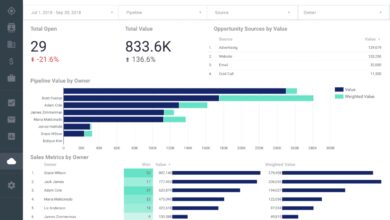
A good CRM software for small business provides real-time visibility into the sales pipeline. Sales managers can track where each lead is in the funnel, forecast revenue more accurately, and identify bottlenecks.
- Visual dashboards show deal stages and conversion rates
- Automated alerts notify teams of stalled deals
- Customizable pipelines adapt to unique sales processes
“CRM isn’t just about managing contacts—it’s about managing relationships that drive growth.” — HubSpot
Top 7 CRM Software Solutions for Small Business
Choosing the best CRM can be overwhelming. To help you decide, we’ve evaluated the top seven CRM platforms based on ease of use, pricing, scalability, and essential features tailored for small businesses. Each offers a unique blend of functionality and value.
1. HubSpot CRM
HubSpot CRM stands out as one of the most user-friendly and powerful good CRM software for small business. It’s completely free to start, making it ideal for startups and growing teams.
- Free plan includes contact management, email tracking, and deal pipelines
- Seamless integration with Gmail, Outlook, and HubSpot’s marketing tools
- AI-powered insights for lead scoring and email suggestions
Its intuitive interface and robust automation capabilities make it a top choice. As your business grows, you can upgrade to paid tiers for advanced features like workflows, reporting, and live chat. Learn more at HubSpot CRM.
2. Zoho CRM
Zoho CRM is a versatile and affordable good CRM software for small business that scales with your needs. Known for its customization and AI assistant, Zia, it’s perfect for businesses wanting flexibility without complexity.
- Custom modules and fields to match unique workflows
- AI-driven sales forecasting and sentiment analysis
- Mobile app with offline access for field teams
Zoho also integrates with over 40 other Zoho apps and third-party services like QuickBooks and Mailchimp. Its pricing starts at just $14/user/month, making it one of the most cost-effective options. Visit Zoho CRM for a free trial.
3. Salesforce Essentials
Salesforce, the global leader in CRM, offers Salesforce Essentials—a streamlined version designed specifically for small businesses. It’s a powerful good CRM software for small business that brings enterprise-grade capabilities to smaller teams.
- Pre-built sales and support processes for faster setup
- Real-time collaboration with Chatter (internal messaging)
- Integration with email, calendar, and popular apps like Slack and DocuSign
While it’s more expensive than some competitors (starting at $25/user/month), its scalability and ecosystem make it a smart long-term investment. Explore it at Salesforce Essentials.
4. Freshsales (by Freshworks)
Freshsales is a modern, AI-powered CRM that’s both intuitive and feature-rich. It’s an excellent choice for small businesses looking for smart automation and deep insights.
- AI-based lead scoring identifies high-potential prospects
- Built-in phone and email for seamless communication
- Visual deal pipeline with drag-and-drop functionality
Freshsales also offers a free plan for up to 3 users, with paid plans starting at $15/user/month. Its clean interface and real-time analytics make it a favorite among sales-driven teams. Check it out at Freshsales.
5. Insightly
Insightly combines CRM and project management, making it ideal for small businesses that manage client projects or service delivery. It’s a robust good CRM software for small business with a focus on relationship and task tracking.
- Project timelines linked to customer records
- Workflow automation for repetitive tasks
- Customer relationship mapping to visualize connections
Its strength lies in connecting sales activities with project execution, which is perfect for agencies, consultants, and contractors. Pricing starts at $29/user/month. Learn more at Insightly.
good crm software for small business – Good crm software for small business menjadi aspek penting yang dibahas di sini.
6. Pipedrive
Pipedrive is built by salespeople, for salespeople. It’s a visual, pipeline-focused CRM that simplifies the sales process. For small businesses with straightforward sales cycles, it’s one of the best good CRM software for small business options.
- Drag-and-drop pipeline management
- Activity reminders and goal tracking
- Extensive app marketplace with 300+ integrations
Pipedrive excels in usability and sales forecasting. Its mobile app is highly rated, and its onboarding process is one of the fastest in the industry. Plans start at $14.90/user/month. Visit Pipedrive to get started.
7. Agile CRM
Agile CRM offers an all-in-one solution combining sales, marketing, and service tools. It’s a budget-friendly good CRM software for small business that packs a lot of features into a single platform.
- Marketing automation with email campaigns and landing pages
- Telephony integration and click-to-call functionality
- Web analytics and visitor tracking
The free plan supports up to 10 users, making it ideal for early-stage startups. Paid plans start at $9.99/user/month. However, some users report a steeper learning curve. Explore it at Agile CRM.
Key Features to Look for in Good CRM Software for Small Business
Not all CRM systems are created equal. When evaluating a good CRM software for small business, focus on features that deliver real value without unnecessary complexity.
User-Friendly Interface
A CRM should enhance productivity, not hinder it. Look for platforms with intuitive navigation, minimal training requirements, and responsive design for mobile access.
- Drag-and-drop customization
- Onboarding tutorials and tooltips
- Clean dashboard with key metrics at a glance
According to a Gartner report, user adoption is the #1 factor in CRM success. If the team avoids using it, even the most advanced system fails.
Automation and Workflow Tools
Automation saves time and reduces human error. A good CRM software for small business should automate repetitive tasks like data entry, follow-up emails, and task assignments.
- Email sequences triggered by customer behavior
- Automatic lead assignment based on rules
- Reminders for calls, meetings, and deadlines
“Automation isn’t about replacing people—it’s about empowering them to focus on what matters.” — Neil Patel
Integration Capabilities
Your CRM shouldn’t exist in isolation. It should connect seamlessly with your email, calendar, accounting software, and marketing tools.
- Native integrations with Gmail, Outlook, Slack, and Zoom
- Sync with tools like QuickBooks, Mailchimp, and Shopify
- Support for Zapier or API access for custom connections
For example, syncing your CRM with your email ensures every sent message is logged automatically, creating a complete communication history.
How to Choose the Right CRM for Your Small Business
Selecting the best good CRM software for small business requires careful consideration of your goals, team size, and budget. Here’s a step-by-step guide to help you make the right choice.
Assess Your Business Needs
Start by identifying your pain points. Are you losing leads? Struggling with follow-ups? Need better reporting? Define what you want the CRM to solve.
- List your must-have features (e.g., contact management, email tracking)
- Determine if you need marketing or service modules
- Consider future growth and scalability
For instance, a consulting firm may prioritize project tracking, while an e-commerce store might need deep integration with Shopify.
Set a Realistic Budget
CRM pricing varies widely. While free plans are attractive, they may lack critical features. Evaluate the total cost of ownership, including training, add-ons, and potential migration costs.
- Compare per-user pricing vs. flat-rate models
- Look for annual discounts (often 10-20% off)
- Factor in costs for integrations or premium support
Many platforms offer free trials—use them to test functionality before committing.
Test Before You Invest
Never buy a CRM based on features alone. Take advantage of free trials and demos to see how it feels in real use.
good crm software for small business – Good crm software for small business menjadi aspek penting yang dibahas di sini.
- Invite team members to test the interface
- Simulate real workflows (e.g., adding a lead, closing a deal)
- Check mobile app performance and offline access
Pay attention to how quickly you can find information and complete tasks. A fast, intuitive system boosts adoption and efficiency.
Common CRM Implementation Mistakes to Avoid
Even the best good CRM software for small business can fail if implemented poorly. Avoid these common pitfalls to ensure a smooth rollout.
Lack of Team Training
One of the biggest reasons CRM projects fail is inadequate training. Employees need to understand not just how to use the system, but why it matters.
- Provide hands-on training sessions
- Create quick-reference guides and video tutorials
- Appoint a CRM champion within the team
According to Nucleus Research, companies that invest in CRM training see a 3x higher return on investment.
Poor Data Migration
Moving data from spreadsheets or legacy systems can be messy. Incomplete or inaccurate data undermines trust in the CRM.
- Clean your data before importing (remove duplicates, standardize formats)
- Use CSV import tools or professional migration services
- Verify data accuracy after migration
“Garbage in, garbage out”—your CRM is only as good as the data you feed it.
Over-Customization
While customization is powerful, overdoing it can make the system complex and hard to maintain. Start simple and add features as needed.
- Use default settings initially
- Customize only what’s essential for your workflow
- Document all changes for future reference
Resist the urge to build a perfect system on day one. Let user feedback guide your evolution.
How CRM Boosts Small Business Growth
A good CRM software for small business isn’t just a tool—it’s a growth engine. When used effectively, it drives measurable improvements across the organization.
Increased Sales Conversion Rates
With better lead tracking and follow-up automation, CRM users often see higher conversion rates. Sales teams can prioritize hot leads and reduce response times.
- Automated reminders ensure no lead goes cold
- Lead scoring identifies the most promising prospects
- Activity tracking holds teams accountable
A study by Capterra found that businesses using CRM report a 29% increase in sales.
Enhanced Customer Retention
CRM helps you understand customer behavior, anticipate needs, and deliver personalized experiences—key to retention.
- Track purchase history and preferences
- Send targeted offers based on lifecycle stage
- Resolve issues faster with complete service history
Loyal customers spend 67% more than new ones, according to Invesp.
Better Decision-Making with Analytics
CRM dashboards provide real-time insights into sales performance, marketing ROI, and customer trends.
- Monitor KPIs like average deal size and sales cycle length
- Identify top-performing products or services
- Forecast revenue with greater accuracy
Data-driven decisions reduce guesswork and improve strategic planning.
Future Trends in CRM for Small Businesses
The CRM landscape is evolving rapidly. Staying ahead of trends ensures your small business remains competitive and agile.
AI and Predictive Analytics
Artificial intelligence is no longer just for enterprises. Modern CRM platforms use AI to predict customer behavior, suggest next steps, and automate responses.
good crm software for small business – Good crm software for small business menjadi aspek penting yang dibahas di sini.
- AI-powered chatbots for instant customer support
- Predictive lead scoring based on historical data
- Natural language processing for sentiment analysis
For example, HubSpot’s AI tools can draft personalized emails in seconds, saving hours of manual work.
Mobile-First CRM Design
With more teams working remotely, mobile access is critical. Future CRM systems will prioritize mobile functionality, offline access, and voice commands.
- Mobile apps with full feature parity
- Voice-to-text notes during client calls
- Location-based task reminders
Platforms like Zoho and Pipedrive already lead in this area, offering robust mobile experiences.
Integration with E-Commerce and Social Media
As customer touchpoints expand, CRM systems are integrating deeper with online stores and social platforms.
- Sync Shopify orders with customer profiles
- Track social media interactions (e.g., Instagram DMs)
- Automate responses to Facebook leads
This creates a 360-degree view of the customer, regardless of where they engage.
What is the best CRM for a small business with no budget?
HubSpot CRM and Agile CRM offer powerful free plans that include essential features like contact management, email tracking, and deal pipelines. These are ideal for startups and solopreneurs who need functionality without upfront costs.
Can I use CRM software on my phone?
Yes, most modern CRM platforms have mobile apps for iOS and Android. HubSpot, Zoho, and Pipedrive offer full-featured mobile experiences, allowing you to manage leads, log calls, and update deals on the go.
How long does it take to implement a CRM?
Implementation time varies. Simple CRMs like HubSpot can be set up in a day. More complex systems may take 2–4 weeks, including data migration and training. Using a phased rollout can speed up adoption.
Do I need IT support to run a CRM?
Most CRM platforms for small businesses are designed to be user-friendly and require no IT expertise. Cloud-based systems handle updates and security automatically. However, for complex customizations, some technical help may be beneficial.
Will a CRM help me close more deals?
Absolutely. A good CRM software for small business improves lead tracking, automates follow-ups, and provides insights that help sales teams prioritize and personalize their approach—leading to higher conversion rates and faster deal closures.
Choosing the right good CRM software for small business is one of the most impactful decisions you can make. From HubSpot’s free plan to Salesforce’s enterprise-ready tools, there’s a solution for every need and budget. Focus on ease of use, essential features, and long-term scalability. With the right CRM, you’ll not only organize your customer data—you’ll unlock growth, improve retention, and build stronger relationships. Start with a free trial, involve your team, and take the first step toward smarter, data-driven success.
good crm software for small business – Good crm software for small business menjadi aspek penting yang dibahas di sini.
Further Reading: