Running a small business is no small feat. Juggling customer relationships, sales pipelines, and team coordination can quickly become overwhelming—especially without the right tools. That’s where CRM software for small business comes in.
[ez-toc]






Why CRM Software for Small Business Is a Game-Changer

Customer Relationship Management (CRM) software isn’t just for enterprise-level companies. In fact, small businesses often benefit the most from implementing a CRM system early. It helps streamline communication, organize customer data, and improve sales efficiency—all critical for sustainable growth.
Centralizes Customer Information
One of the biggest challenges small businesses face is scattered customer data. Emails, spreadsheets, sticky notes—information gets lost or duplicated. A CRM software for small business consolidates all customer interactions into one centralized platform.
- Tracks every touchpoint: calls, emails, meetings, and social media interactions
- Stores contact details, purchase history, and preferences
- Enables quick access for sales, marketing, and support teams
This unified view allows teams to deliver personalized service and avoid miscommunication.
Improves Sales Efficiency
Sales teams in small businesses often wear multiple hats. A CRM automates repetitive tasks like data entry, follow-up reminders, and lead tracking, freeing up time for actual selling.
- Automates lead assignment and follow-ups
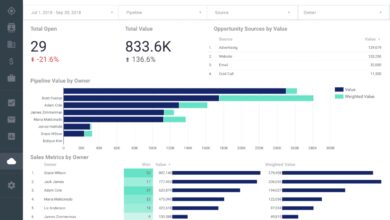
- Provides real-time sales pipeline visibility
- Reduces manual errors and missed opportunities
According to a Nucleus Research study, businesses gain an average of $8.71 for every dollar spent on CRM, thanks to increased productivity and sales performance.
Enhances Customer Retention
Acquiring a new customer can cost five times more than retaining an existing one. CRM software for small business helps nurture long-term relationships by tracking customer behavior and enabling timely, relevant communication.
- Sends personalized emails based on customer milestones
- Flags at-risk customers for proactive outreach
- Tracks service tickets and resolution times
“A satisfied customer is the best business strategy of all.” – Michael LeBoeuf
With CRM insights, small businesses can anticipate needs, resolve issues faster, and build loyalty.
Top 7 CRM Software for Small Business in 2024
Choosing the right CRM software for small business can be overwhelming with so many options. Below is a curated list of the top 7 platforms tailored for small teams, balancing affordability, ease of use, and powerful features.
1. HubSpot CRM
HubSpot CRM is a favorite among small businesses for its intuitive interface and robust free plan. It’s ideal for startups and growing teams that want scalability without complexity.
- Free forever plan with contact management, email tracking, and deal pipelines
- Seamless integration with marketing, sales, and service hubs
- Excellent onboarding and educational resources
HubSpot’s ecosystem grows with your business, allowing upgrades to paid tiers as needs evolve. Learn more at HubSpot CRM.
2. Zoho CRM
Zoho CRM offers a powerful blend of automation, AI, and affordability. It’s particularly strong for businesses looking to automate sales workflows and marketing campaigns.
- AI-powered assistant (Zia) for predictive lead scoring
- Customizable dashboards and sales forecasting
- Over 500 app integrations via Zoho Marketplace
Zoho CRM starts at $14/user/month and offers a free plan for up to 3 users. Visit Zoho CRM for details.
3. Salesforce Essentials
Salesforce, known for its enterprise solutions, also offers Salesforce Essentials—a streamlined CRM software for small business with up to 10 users.
- Mobile-friendly interface with real-time collaboration
- Pre-built templates for common industries
- Strong reporting and analytics tools
Priced at $25/user/month, it’s a solid entry point into the Salesforce ecosystem. Explore it at Salesforce Essentials.
4. Freshsales (by Freshworks)
Freshsales stands out with its AI-driven insights and built-in phone and email capabilities. It’s perfect for sales-heavy small businesses that want everything in one place.
- Integrated phone, email, and chat within the CRM
- AI-based lead scoring and deal insights
- Visual deal pipeline with drag-and-drop functionality
Pricing starts at $15/user/month, and a free plan is available. Check it out at Freshsales.
5. Pipedrive
Pipedrive is built for sales-focused teams. Its visual sales pipeline makes it easy to track deals and manage follow-ups, making it one of the most intuitive CRM software for small business owners.
- Drag-and-drop pipeline management
- Activity reminders and goal tracking
- Strong mobile app for on-the-go access
Plans start at $14.90/user/month. Learn more at Pipedrive.
6. Insightly
Insightly is ideal for small businesses that manage projects alongside customer relationships. It combines CRM with project management features.
- Project tracking with milestones and tasks
- Customer relationship linking to projects
- Workflow automation and email integration
Priced from $29/user/month, it’s slightly pricier but offers excellent value for service-based businesses. Visit Insightly.
7. Agile CRM
Agile CRM is an all-in-one solution that blends sales, marketing, and service tools. It’s great for startups wanting maximum features at a low cost.
- Free plan for up to 10 users with basic CRM and marketing automation
- Website tracking and lead capture forms
- Telephony integration and task management
Paid plans start at $9.99/user/month. Explore at Agile CRM.
Key Features to Look for in CRM Software for Small Business
Not all CRM systems are created equal. When evaluating CRM software for small business, focus on features that align with your operational needs and growth goals.
User-Friendly Interface
Complex systems lead to low adoption. Choose a CRM with an intuitive design that your team can learn quickly.
- Drag-and-drop functionality
- Minimal training required
- Responsive mobile app
A study by Capterra found that 46% of CRM failures are due to poor user adoption—often linked to complicated interfaces.
Automation Capabilities
Automation saves time and reduces human error. Look for CRM tools that automate repetitive tasks like:
- Email follow-ups and reminders
- Lead assignment based on rules
- Data entry from forms and calls
For example, Zoho CRM’s workflow automation can trigger actions when a lead opens an email or visits your pricing page.
Integration with Existing Tools
Your CRM should work seamlessly with tools you already use—email, calendar, accounting, and marketing platforms.
- Syncs with Gmail, Outlook, and Google Calendar
- Integrates with QuickBooks, Mailchimp, and Slack
- Supports API access for custom integrations
HubSpot CRM, for instance, integrates with over 1,000 apps via its marketplace.
How to Choose the Right CRM Software for Small Business
Selecting the right CRM isn’t just about features—it’s about fit. Follow these steps to make a smart decision.
Assess Your Business Needs
Start by identifying your pain points. Are you losing leads? Struggling with follow-ups? Need better reporting?
- Map out your sales process from lead to close
- Identify team roles and responsibilities
- List must-have features vs. nice-to-have
This clarity will guide your CRM selection.
Consider Scalability
Choose a CRM that can grow with your business. A tool that works for 5 users should still be effective at 25.
- Check pricing tiers and feature availability
- Look for modular upgrades (e.g., adding marketing tools)
- Ensure data portability in case you switch later
Salesforce Essentials, for example, allows smooth migration to higher editions as your team expands.
Test Before You Commit
Most CRM software for small business offers free trials or freemium plans. Use them.
- Invite key team members to test the interface
- Import sample data to test functionality
- Simulate real-world scenarios like lead conversion
HubSpot and Agile CRM offer free plans with no time limit—perfect for long-term testing.
Common CRM Implementation Mistakes to Avoid
Even the best CRM software for small business can fail if implemented poorly. Avoid these common pitfalls.
Skipping Team Training
Assuming your team will figure it out leads to underuse. Invest time in onboarding.
- Provide hands-on training sessions
- Create internal documentation
- Appoint a CRM champion in the team
According to Salesforce, companies that train their teams see 3x higher CRM adoption rates.
Over-Customizing Too Soon
While customization is powerful, overdoing it early can complicate the system and delay rollout.
- Start with default settings and basic workflows
- Gradually add custom fields and automations
- Focus on high-impact changes first
Resist the urge to make it perfect on day one—evolve it over time.
Ignoring Data Quality
A CRM is only as good as the data it holds. Poor data leads to inaccurate reports and missed opportunities.
- Deduplicate contacts before import
- Set data entry standards (e.g., phone number format)
- Schedule regular data audits
“Garbage in, garbage out” applies perfectly to CRM systems.
How CRM Software Boosts Marketing and Customer Service
While often associated with sales, CRM software for small business also enhances marketing and customer service.
Personalized Marketing Campaigns
CRM data enables hyper-targeted marketing. Segment your audience based on behavior, purchase history, or engagement level.
- Send birthday discounts to loyal customers
- Retarget leads who visited your pricing page
- Automate email sequences for onboarding new clients
Freshsales and HubSpot CRM offer built-in email marketing tools that sync with contact data.
Improved Customer Support
A CRM gives support teams full context of customer history, reducing resolution time and improving satisfaction.
- Log every support ticket and interaction
- Set SLAs and escalation rules
- Enable self-service portals for common queries
Insightly and Zoho CRM include service modules that integrate with sales data for a 360-degree view.
Future Trends in CRM for Small Businesses
CRM technology is evolving rapidly. Small businesses that stay ahead of trends gain a competitive edge.
AI and Predictive Analytics
AI is no longer just for big corporations. Modern CRM software for small business uses AI to:
- Predict which leads are most likely to convert
- Suggest the best time to follow up
- Automatically categorize emails and calls
Zia in Zoho CRM and Einstein in Salesforce are prime examples of AI making smart recommendations.
Mobile-First CRM Solutions
With remote work and field sales on the rise, mobile access is essential.
- Full CRM functionality on smartphones
- Offline mode for areas with poor connectivity
- GPS-based visit tracking for field teams
Pipedrive and Freshsales offer robust mobile apps that mirror desktop capabilities.
Integration with Communication Platforms
CRMs are increasingly integrating with tools like WhatsApp, Slack, and Zoom to capture all customer interactions.
- Log WhatsApp messages directly into contact records
- Start Zoom calls from within the CRM
- Receive Slack notifications for deal updates
HubSpot and Agile CRM already support many of these integrations, making communication seamless.
What is CRM software for small business?
CRM software for small business is a tool that helps manage customer interactions, track sales leads, automate marketing, and improve customer service. It centralizes customer data to enhance relationships and drive growth.
Is CRM software worth it for small businesses?
Yes. CRM software improves efficiency, increases sales, and boosts customer retention. With affordable and scalable options available, even startups can benefit significantly from using a CRM.
What is the best free CRM for small business?
HubSpot CRM and Agile CRM offer the most robust free plans. HubSpot provides unlimited users on its free tier, while Agile CRM supports up to 10 users with marketing automation features.
How much does CRM software cost for small businesses?
Prices range from free (HubSpot, Agile CRM) to $30–$50 per user per month for advanced features. Most small businesses spend between $10–$25 per user monthly.
Can I switch CRM software later if needed?
Yes. Most CRM platforms allow data export in CSV or via API. However, switching can be time-consuming, so it’s best to choose a scalable solution from the start.
Choosing the right CRM software for small business is one of the most impactful decisions you can make. From centralizing customer data to automating sales and marketing, a good CRM streamlines operations and fuels growth. With options like HubSpot, Zoho, and Pipedrive offering affordable, user-friendly solutions, there’s never been a better time to implement a CRM. Focus on your business needs, involve your team, and start with a platform that balances simplicity with scalability. The result? Stronger customer relationships, higher efficiency, and a clearer path to success.
crm software for small business – Crm software for small business menjadi aspek penting yang dibahas di sini.
Further Reading: