Running a small business in Australia? You need smart tools. CRM software for small business Australia can transform how you manage customers, boost sales, and save time—without breaking the bank.
[ez-toc]






Why CRM Software for Small Business Australia Is a Game-Changer

Small businesses across Australia are embracing digital transformation, and customer relationship management (CRM) software sits at the heart of this evolution. For entrepreneurs juggling sales, marketing, customer service, and operations, a solid CRM system acts as a central hub to streamline processes, improve customer engagement, and drive revenue growth.
CRM software for small business Australia isn’t just for big corporations anymore. Thanks to cloud-based platforms, affordable pricing, and user-friendly interfaces, even solopreneurs and startups can leverage powerful CRM tools to compete effectively in today’s market. Whether you’re in retail, consulting, real estate, or professional services, a CRM helps you track every customer interaction, automate follow-ups, and gain insights into buying behavior.
According to a 2023 report by IBISWorld, over 60% of Australian small businesses now use some form of digital customer management tool, with CRM adoption rising steadily year-on-year. This shift is fueled by the need for better data organization, improved customer retention, and the ability to scale operations efficiently.
Boosting Customer Retention and Satisfaction
One of the most compelling reasons to adopt CRM software for small business Australia is its impact on customer retention. Studies show that retaining an existing customer is up to five times cheaper than acquiring a new one. A CRM allows businesses to store detailed customer profiles, track communication history, and personalize interactions—leading to stronger relationships and higher satisfaction.
For example, a local Melbourne-based boutique can use CRM to remember customer preferences, send personalized birthday offers, and follow up after a purchase. This level of attention builds loyalty and encourages repeat business.
crm software for small business australia – Crm software for small business australia menjadi aspek penting yang dibahas di sini.
- Centralized customer data improves service consistency
- Automated reminders reduce missed follow-ups
- Personalized marketing increases engagement
Improving Sales Efficiency and Forecasting
Sales teams in small businesses often operate with limited resources. CRM software helps them work smarter by organizing leads, tracking deal stages, and automating routine tasks like email follow-ups and appointment scheduling.
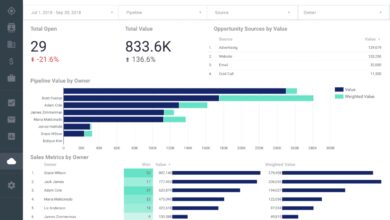
With real-time dashboards and reporting features, business owners can monitor sales pipelines, identify bottlenecks, and forecast revenue more accurately. This visibility is crucial for making informed decisions, especially when planning budgets or launching new campaigns.
Platforms like Zoho CRM offer intuitive sales automation tools tailored for small teams, making it easier to convert leads into paying customers.
“A CRM doesn’t just manage contacts—it transforms how you understand and engage with your customers.” — TechRadar Australia
Top 7 CRM Software Options for Small Business Australia
Choosing the right CRM software for small business Australia can be overwhelming with so many options available. To help you make an informed decision, we’ve compiled a list of seven top-performing CRM platforms that cater specifically to the needs of Australian small businesses.
These tools were selected based on affordability, ease of use, local support, integration capabilities, and compliance with Australian data privacy laws such as the Privacy Act 1988 and the Australian Privacy Principles (APPs).
1. Zoho CRM – Best Overall Value
Zoho CRM is a favorite among Australian small businesses due to its powerful feature set and competitive pricing. Starting at just $14 per user/month, it offers lead and deal management, email integration, workflow automation, and AI-powered insights via Zia, its virtual assistant.
crm software for small business australia – Crm software for small business australia menjadi aspek penting yang dibahas di sini.
What sets Zoho apart is its deep integration with other Zoho apps—like Books, Campaigns, and Desk—making it ideal for businesses already using the Zoho ecosystem. It also supports Australian time zones, currency (AUD), and has local customer support.
Zoho CRM is fully compliant with GDPR and Australian privacy standards, ensuring your customer data remains secure. Learn more at zoho.com/crm.
- AI-powered sales assistant (Zia)
- Mobile app with offline access
- Strong automation and workflow builder
2. HubSpot CRM – Best Free Option
HubSpot CRM offers one of the most robust free plans in the industry, making it perfect for startups and small businesses testing the waters. The free version includes contact management, email tracking, deal pipelines, task automation, and live chat.
Its user-friendly interface and seamless integration with Gmail and Outlook make onboarding quick and painless. Paid tiers unlock advanced features like marketing automation, custom reporting, and service hubs.
HubSpot has a strong presence in Australia, with localized content, webinars, and customer success teams. Visit hubspot.com/products/crm to get started.
“HubSpot’s free CRM is so powerful, many businesses never need to upgrade.” — Capterra Review
3. Salesforce Essentials – Best for Scalability
Salesforce, the global CRM leader, offers Salesforce Essentials—a version tailored for small businesses with up to 10 users. Priced at $25/user/month, it delivers core Salesforce functionality in a simplified package.
crm software for small business australia – Crm software for small business australia menjadi aspek penting yang dibahas di sini.
Features include contact and account management, activity tracking, email integration, and basic reporting. It’s ideal for businesses planning to scale, as upgrading to full Salesforce is seamless.
Salesforce supports Australian data centers and complies with local regulations. Its AppExchange marketplace offers hundreds of integrations with popular Australian tools like Xero and MYOB.
- Trusted by over 150,000 companies worldwide
- Strong mobile app with GPS routing
- Excellent scalability for growing teams
4. Insightly – Best for Project-Based Businesses
If your small business manages projects—like construction, consulting, or creative agencies—Insightly is a standout choice. Starting at $29/user/month, it combines CRM with project management features such as task dependencies, milestones, and Gantt charts.
Insightly allows you to link contacts and opportunities directly to projects, giving you a 360-degree view of client engagements. It integrates with Google Workspace, Microsoft 365, Mailchimp, and Xero—popular tools among Australian SMEs.
The platform also supports two-way email sync and has a clean, intuitive interface. Explore more at insightly.com.
5. Freshsales (by Freshworks) – Best for Sales Automation
Freshsales, part of the Freshworks suite, is designed for sales-driven small businesses. Its AI-powered lead scoring, email sequences, and phone integration make it easy to prioritize high-value prospects and close deals faster.
crm software for small business australia – Crm software for small business australia menjadi aspek penting yang dibahas di sini.
Pricing starts at $15/user/month, and the platform includes a built-in phone system, meeting scheduler, and visual deal pipeline. Freshworks is an Indian-Australian company with headquarters in Sydney, offering strong local support and compliance with Australian data laws.
Freshsales also integrates seamlessly with Freshdesk and Freshchat, making it ideal for businesses that want unified sales and customer service workflows.
- AI-based lead scoring and insights
- Built-in click-to-call and voicemail
- Real-time activity tracking
6. Pipedrive – Best for Visual Sales Pipelines
Pipedrive is renowned for its drag-and-drop sales pipeline interface, making it a favorite among sales-focused small businesses. Its visual approach helps teams track deals effortlessly and stay focused on moving prospects through the funnel.
Starting at $14.90/user/month, Pipedrive offers email integration, activity reminders, reporting, and automation. It’s particularly popular with real estate agents, recruiters, and B2B service providers in Australia.
The platform integrates with over 400 apps, including Xero, Slack, and Google Calendar. Learn more at pipedrive.com.
7. Keap (formerly Infusionsoft) – Best for Marketing Automation
Keap is designed for small businesses that want to automate marketing and sales processes without hiring a team. Starting at $79/month, it offers powerful automation workflows, appointment scheduling, and e-commerce integration.
crm software for small business australia – Crm software for small business australia menjadi aspek penting yang dibahas di sini.
It’s ideal for service-based businesses like fitness trainers, consultants, and coaches who rely on recurring revenue and client follow-ups. Keap’s visual campaign builder lets you create drip campaigns that nurture leads over time.
While more expensive than others, Keap delivers exceptional value for businesses serious about scaling their marketing efforts. Visit keap.com for a free trial.
Key Features to Look for in CRM Software for Small Business Australia
Not all CRM systems are created equal. When evaluating CRM software for small business Australia, focus on features that align with your business model, team size, and growth goals. Here are the most critical functionalities to consider:
1. Contact and Lead Management
A core function of any CRM is managing customer and prospect information. Look for a system that allows you to store names, emails, phone numbers, company details, and interaction history in one place.
Advanced CRMs offer lead scoring, tagging, and segmentation—helping you prioritize high-potential prospects. For example, a Sydney-based digital marketing agency might tag leads based on industry, budget, or engagement level.
- Customizable contact fields
- Duplicate contact merging
- Tagging and filtering options
2. Sales Pipeline and Deal Tracking
A visual sales pipeline helps you track where each deal stands—whether it’s a new inquiry, quote sent, or awaiting approval. This transparency improves team coordination and forecasting accuracy.
crm software for small business australia – Crm software for small business australia menjadi aspek penting yang dibahas di sini.
Ensure the CRM allows you to customize pipeline stages to match your sales process. Some platforms, like Pipedrive and Zoho CRM, let you drag and drop deals between stages for a seamless experience.
“A clear sales pipeline reduces guesswork and increases accountability.” — Australian Small Business Consultant
3. Email Integration and Communication Tools
Your CRM should integrate with your email provider (Gmail, Outlook, etc.) to log sent and received messages automatically. This ensures no communication is lost and provides a complete history for each contact.
Some CRMs, like Freshsales and HubSpot, offer email tracking—letting you know when a prospect opens your email or clicks a link. This insight helps you time your follow-ups more effectively.
- Two-way email sync
- Email templates and sequences
- Click and open tracking
How to Choose the Right CRM Software for Small Business Australia
Selecting the best CRM software for small business Australia requires careful evaluation. It’s not just about features—it’s about fit. Here’s a step-by-step guide to help you make the right choice.
1. Define Your Business Needs
Start by identifying your pain points. Are you losing leads? Struggling with follow-ups? Need better reporting? List your top three challenges and prioritize CRM features that address them.
For example, a Perth-based landscaping company might need mobile access, job scheduling, and invoice integration—while a Brisbane-based coaching business may prioritize email automation and appointment booking.
crm software for small business australia – Crm software for small business australia menjadi aspek penting yang dibahas di sini.
2. Consider Budget and Scalability
Most CRM platforms offer tiered pricing. While free or low-cost options are attractive, consider whether they’ll meet your needs as you grow. Some tools limit features, users, or data storage on lower plans.
Ask: Can this CRM scale with my business? Will I need to migrate data later? Platforms like Salesforce and Zoho offer smooth upgrade paths, reducing long-term friction.
- Free plans: HubSpot CRM, Zoho CRM (free tier)
- Mid-range: Pipedrive, Freshsales
- Premium: Keap, Salesforce Essentials
3. Evaluate Ease of Use and Onboarding
A powerful CRM is useless if your team won’t use it. Look for platforms with intuitive interfaces, mobile apps, and good onboarding resources like video tutorials, knowledge bases, and customer support.
Many CRMs offer free trials—take advantage of them. Test the software with real data and get feedback from your team before committing.
Integration Capabilities with Australian Business Tools
CRM software for small business Australia should integrate seamlessly with tools you already use. This ensures data flows smoothly across systems and reduces manual entry.
Accounting Software: Xero and MYOB
Xero and MYOB are the two most popular accounting platforms in Australia. A CRM that syncs with these tools can automatically create invoices, update customer records, and track payments.
crm software for small business australia – Crm software for small business australia menjadi aspek penting yang dibahas di sini.
For example, Zoho CRM integrates with Xero, allowing you to view invoice status directly from a contact’s profile. Similarly, HubSpot offers MYOB integration via third-party connectors like Zapier.
- Zoho CRM + Xero: Native integration
- HubSpot + MYOB: Via Zapier or Tray.io
- Freshsales + Xero: Supported through automation tools
Email and Calendar: Gmail, Outlook, Google Calendar
Most CRMs offer two-way sync with Gmail and Outlook. This means emails are logged automatically, and calendar events are synced to your CRM timeline.
Ensure the integration supports bi-directional updates—so changes in your CRM reflect in your calendar and vice versa. This prevents scheduling conflicts and keeps your team aligned.
Marketing Tools: Mailchimp, Facebook, Google Ads
If you run digital marketing campaigns, integration with platforms like Mailchimp, Facebook Lead Ads, and Google Ads can supercharge your lead generation.
HubSpot and Keap offer native integrations with these tools, allowing you to capture leads directly into your CRM and nurture them with automated workflows.
“Integration is the key to unlocking the full potential of your CRM.” — TechTarget
Compliance and Data Security in Australia
When handling customer data, Australian businesses must comply with the Privacy Act 1988 and the Australian Privacy Principles (APPs). Choosing CRM software for small business Australia that meets these standards is not optional—it’s a legal requirement.
crm software for small business australia – Crm software for small business australia menjadi aspek penting yang dibahas di sini.
Data Hosting and Privacy Policies
Check where your CRM provider stores data. Ideally, choose a platform with data centers in Australia or compliant with international standards like GDPR. This reduces latency and ensures data sovereignty.
Review the provider’s privacy policy and data processing agreements. Ensure they commit to not selling your data and provide clear breach notification procedures.
- Zoho: Data centers in Australia and Singapore
- HubSpot: Compliant with GDPR and APPs
- Salesforce: Offers data residency options
User Access and Permissions
Not every team member needs access to all customer data. A good CRM allows you to set role-based permissions—limiting access based on job function.
For example, a sales rep might view contact details but not financial records. This minimizes the risk of data misuse and aligns with privacy best practices.
Regular Backups and Encryption
Ensure your CRM provider uses end-to-end encryption for data in transit and at rest. Regular automated backups protect against data loss due to human error or cyberattacks.
Most reputable CRMs publish their security practices on their websites. For instance, HubSpot’s security page details its encryption, penetration testing, and compliance certifications.
crm software for small business australia – Crm software for small business australia menjadi aspek penting yang dibahas di sini.
Implementing CRM Software in Your Small Business
Choosing the right CRM is only half the battle. Successful implementation is crucial for adoption and long-term success.
1. Clean and Migrate Your Data
Before importing data, clean your existing contact lists. Remove duplicates, update outdated information, and standardize formats (e.g., phone numbers, addresses).
Most CRMs offer import tools for CSV files. Test with a small batch first to ensure data maps correctly to the right fields.
2. Train Your Team
Provide hands-on training for your team. Use real scenarios to demonstrate how the CRM improves their daily workflow. Many providers offer free training resources or live onboarding sessions.
Assign a CRM champion—a team member who becomes the go-to expert for troubleshooting and tips.
3. Start Small and Scale
Don’t try to automate everything at once. Begin with core features like contact management and email tracking. Once your team is comfortable, gradually introduce automation, reporting, and integrations.
crm software for small business australia – Crm software for small business australia menjadi aspek penting yang dibahas di sini.
This phased approach reduces resistance and ensures smoother adoption.
“The best CRM is the one your team actually uses.” — Forbes
Measuring the ROI of CRM Software for Small Business Australia
Investing in CRM software should deliver measurable returns. To evaluate ROI, track key performance indicators (KPIs) before and after implementation.
Sales Growth and Conversion Rates
Monitor whether your sales cycle has shortened and conversion rates have improved. A well-used CRM can increase lead conversion by 20–30%, according to Nucleus Research.
Compare monthly revenue, average deal size, and win rates pre- and post-CRM to quantify impact.
Customer Retention and Lifetime Value
Track customer churn and repeat purchase rates. A CRM helps you identify at-risk customers and re-engage them with targeted offers.
Higher retention directly boosts customer lifetime value (CLV), a critical metric for sustainable growth.
crm software for small business australia – Crm software for small business australia menjadi aspek penting yang dibahas di sini.
Time Savings and Team Productivity
Survey your team on how much time they save on administrative tasks. Automation features like email sequences, task reminders, and report generation can free up hours each week.
Use this saved time to focus on high-value activities like client meetings and strategy.
What is the best CRM software for small business Australia?
The best CRM depends on your needs. For overall value, Zoho CRM is a top choice. For free plans, HubSpot CRM leads the pack. Salesforce Essentials is ideal for scalability, while Keap excels in marketing automation.
Is CRM software worth it for small businesses?
Yes. CRM software helps small businesses organize customer data, improve sales efficiency, and enhance marketing efforts. Most platforms offer affordable pricing, and the ROI in time savings and revenue growth is significant.
crm software for small business australia – Crm software for small business australia menjadi aspek penting yang dibahas di sini.
Can I integrate CRM with Xero or MYOB?
Yes. Many CRM platforms like Zoho CRM, HubSpot, and Freshsales integrate with Xero and MYOB, either natively or through automation tools like Zapier.
Is my data safe with CRM software in Australia?
Reputable CRM providers comply with Australian privacy laws and offer data encryption, access controls, and regular backups. Always review their security policies before signing up.
How much does CRM software cost for small businesses in Australia?
Prices range from free (HubSpot CRM) to $79+/month. Most paid plans start at $14–$25 per user/month, with discounts for annual billing.
crm software for small business australia – Crm software for small business australia menjadi aspek penting yang dibahas di sini.
Choosing the right CRM software for small business Australia can transform how you manage customer relationships, drive sales, and scale operations. From Zoho CRM’s affordability to Keap’s marketing power, there’s a solution for every type of business. Focus on your specific needs, prioritize ease of use, and ensure compliance with local regulations. With the right CRM, your small business can compete like a giant.
Further Reading: