Running a small business in Canada? You need smart tools. Discover the best CRM software for small business Canada that boosts sales, streamlines communication, and drives growth—without breaking the bank.
[ez-toc]





Why CRM Software for Small Business Canada Is a Game-Changer

In today’s fast-paced digital economy, Canadian small businesses face fierce competition. Whether you’re running a boutique in Vancouver, a consulting firm in Toronto, or a retail shop in Montreal, managing customer relationships efficiently is no longer optional—it’s essential. CRM (Customer Relationship Management) software has evolved from a luxury for large corporations into a necessity for small businesses aiming to scale sustainably.
For small business owners across Canada, adopting the right CRM software for small business Canada means more than just storing contact details. It’s about building stronger customer relationships, automating repetitive tasks, and gaining real-time insights into sales performance and customer behavior. With localized needs such as bilingual support (English and French), integration with Canadian tax systems, and compliance with privacy laws like PIPEDA, choosing a CRM tailored to the Canadian market is crucial.
Boosting Customer Retention and Satisfaction
One of the most significant advantages of using CRM software for small business Canada is improved customer retention. According to a study by Forbes Business Council, acquiring a new customer can cost five times more than retaining an existing one. A CRM helps you track every interaction—emails, calls, purchases, complaints—so you can deliver personalized service consistently.
Imagine a client from Ottawa reaches out with a question about their last order. With a CRM, your team instantly sees their purchase history, past inquiries, and preferences—no need to ask them to repeat information. This level of service builds trust and loyalty, which are vital for long-term success.
Streamlining Sales and Marketing Efforts
CRM platforms integrate seamlessly with email marketing tools, social media, and lead capture forms. This allows small businesses to automate follow-ups, segment audiences, and launch targeted campaigns. For example, a real estate agent in Calgary can use CRM software to automatically send property listings to clients based on their preferences and budget.
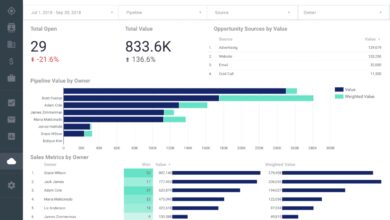
Tools like Zoho CRM and HubSpot offer visual sales pipelines that help teams track deals from initial contact to closing. This visibility reduces missed opportunities and improves forecasting accuracy—critical for small businesses operating with limited resources.
“A CRM isn’t just a database—it’s a strategic asset that turns customer data into actionable insights.” — Sales Technology Expert, Toronto
Top 7 CRM Software for Small Business Canada in 2024
Choosing the right CRM software for small business Canada can feel overwhelming. There are dozens of options, each promising ease of use, powerful features, and affordability. To help you make an informed decision, we’ve analyzed the top seven CRM platforms based on functionality, pricing, Canadian usability, and user reviews from real small business owners across the country.
1. Zoho CRM – Best Overall Value
Zoho CRM consistently ranks as one of the best CRM software for small business Canada due to its balance of power, flexibility, and affordability. It offers a free plan for up to three users, making it ideal for startups and solopreneurs. Paid plans start at just $14/user/month, offering advanced automation, AI-powered insights (Zia), and robust integrations.
What sets Zoho apart is its deep customization options. You can create custom modules, workflows, and dashboards tailored to your business needs. For instance, a plumbing company in Edmonton can build a module to track service calls, technician availability, and customer feedback—all within the same system.
Zoho also supports multilingual interfaces, which is a major advantage for businesses serving both English and French-speaking customers. Plus, Zoho’s data centers include locations in Canada, ensuring compliance with local data residency requirements.
2. HubSpot CRM – Best for Marketing Integration
If your small business relies heavily on inbound marketing, HubSpot CRM is a top contender. It’s completely free for core features, including contact management, email tracking, deal pipelines, and live chat. For businesses looking to scale, paid tiers offer advanced marketing automation, CRM workflows, and customer service hubs.
HubSpot’s strength lies in its ecosystem. It integrates effortlessly with tools like Mailchimp, Shopify, and WordPress—popular among Canadian e-commerce businesses. A boutique clothing store in Halifax can use HubSpot to track website visitors, capture leads via pop-ups, and nurture them with automated email sequences.
crm software for small business canada – Crm software for small business canada menjadi aspek penting yang dibahas di sini.
The platform also provides excellent educational resources through HubSpot Academy, helping small business owners learn digital marketing, sales techniques, and CRM best practices—all for free.
3. Salesforce Essentials – Best for Scalability
Salesforce is a global leader in CRM, and its Essentials edition is designed specifically for small businesses. Priced at $25/user/month, it offers a simplified version of the full Salesforce platform with essential features like contact and account management, task tracking, and email integration.
What makes Salesforce Essentials ideal for growing businesses in Canada is its scalability. As your team expands or your needs evolve, you can easily upgrade to more advanced editions (Professional, Enterprise) without switching platforms. This continuity saves time and reduces training costs.
Salesforce also offers strong integration with Canadian accounting software like QuickBooks Canada and Xero, enabling seamless financial data flow. Additionally, its AppExchange marketplace provides access to thousands of third-party apps, including those tailored for Canadian industries like construction, healthcare, and legal services.
Key Features to Look for in CRM Software for Small Business Canada
Not all CRM systems are created equal. When evaluating CRM software for small business Canada, focus on features that align with your operational needs, budget, and growth goals. Here are the most critical functionalities to prioritize:
Cloud-Based Access and Mobile Compatibility
Modern small businesses operate beyond the office. Sales reps visit clients, contractors work on-site, and managers travel frequently. A cloud-based CRM ensures your team can access customer data anytime, anywhere—via desktop or mobile app.
Look for platforms with dedicated iOS and Android apps. For example, Zoho CRM and HubSpot offer fully functional mobile apps that allow users to update records, log calls, and view dashboards on the go. This mobility is especially valuable for field service businesses in cities like Winnipeg or St. John’s, where technicians need real-time access to job details.
Bilingual Support (English & French)
Canada’s official bilingualism isn’t just a cultural feature—it’s a business imperative. If you serve customers in Quebec, New Brunswick, or Ottawa, offering support in both English and French can significantly enhance customer experience.
The best CRM software for small business Canada should support multilingual interfaces, email templates, and automated responses. Zoho CRM, for instance, allows you to switch the UI language per user and create bilingual workflows. This ensures your team can communicate professionally in the customer’s preferred language.
Integration with Canadian Accounting and Tax Systems
Seamless integration with accounting tools like QuickBooks Online Canada, Xero, or Sage 50 is non-negotiable. These integrations eliminate double data entry, reduce errors, and ensure accurate financial reporting.
For example, when a sale is closed in your CRM, it should automatically sync with your accounting system to generate an invoice and record revenue. This is particularly important during tax season, when Canadian businesses must comply with CRA (Canada Revenue Agency) regulations.
Some CRMs, like Insightly, offer direct two-way sync with QuickBooks, making it easier to manage customer billing and track receivables. This level of automation saves hours of manual work and improves cash flow visibility.
How to Choose the Right CRM Software for Small Business Canada
Selecting the right CRM isn’t just about features—it’s about fit. A tool that works perfectly for a tech startup in Kitchener might not suit a family-run restaurant in Regina. Follow this step-by-step guide to make a confident decision.
crm software for small business canada – Crm software for small business canada menjadi aspek penting yang dibahas di sini.
Assess Your Business Needs
Start by identifying your pain points. Are you losing leads because they’re not followed up? Is your sales team spending too much time on admin tasks? Do you struggle to understand customer buying patterns?
Create a list of must-have features. For a small e-commerce business, this might include order tracking, inventory alerts, and email campaign integration. For a consulting firm, it could be appointment scheduling, proposal tracking, and client onboarding workflows.
Involve your team in this process. Frontline employees often have the clearest view of what’s not working and what would make their jobs easier.
Consider Budget and Total Cost of Ownership
While many CRM platforms advertise low monthly fees, hidden costs can add up. These include fees for additional users, premium support, training, and third-party integrations.
For example, a CRM priced at $12/user/month might seem affordable for a five-person team ($60/month). But if you later need to add automation, phone support, or custom reporting, the total cost could double. Always ask vendors for a complete pricing breakdown.
Also consider implementation time. Some CRMs require weeks of setup and data migration, which can disrupt operations. Look for platforms with quick onboarding, like HubSpot, which offers guided setup wizards and pre-built templates.
“We switched to Zoho CRM and saved over 10 hours a week on data entry alone. The ROI was clear within two months.” — Sarah Chen, Owner of Maple Leaf Marketing, Vancouver
Implementation Tips for CRM Software for Small Business Canada
Even the best CRM software for small business Canada will fail if not implemented properly. Here’s how to ensure a smooth rollout and maximize adoption across your team.
Start with Clean Data
Garbage in, garbage out. Before importing contacts into your new CRM, clean your existing data. Remove duplicates, update outdated phone numbers and emails, and standardize naming conventions (e.g., “Mr.” vs “M.”).
Use tools like Import.io or Excel filters to automate cleanup. A clean database ensures accurate reporting and prevents confusion during customer interactions.
Train Your Team Effectively
Resistance to change is common. To overcome this, provide hands-on training tailored to different roles. Sales staff need to know how to log calls and update deals; customer service reps should learn how to create tickets and escalate issues.
Use real-world scenarios during training. For example, simulate a customer inquiry and walk through how to pull up their history, check open orders, and respond appropriately—all within the CRM.
Offer ongoing support through quick-reference guides, video tutorials, or a designated “CRM champion” on your team who can answer questions.
Monitor Usage and Optimize
After launch, track key metrics like login frequency, record updates, and pipeline activity. Most CRMs offer admin dashboards that show user engagement.
crm software for small business canada – Crm software for small business canada menjadi aspek penting yang dibahas di sini.
If certain team members aren’t using the system, find out why. Is the interface too complex? Are they missing a key feature? Address concerns quickly to maintain momentum.
Regularly review your workflows and reports. As your business evolves, so should your CRM setup. For instance, a seasonal business in Whistler might adjust its lead scoring model during peak winter months.
Real-World Success Stories: CRM Software for Small Business Canada
Don’t just take our word for it—here are real examples of Canadian small businesses that transformed their operations using CRM software.
Case Study 1: Northern Lights Tours (Yellowknife)
This adventure tourism company struggled with managing bookings, customer inquiries, and guide schedules. After implementing Zoho CRM, they automated email confirmations, integrated with their booking calendar, and set up a client portal for FAQs.
Result: 40% reduction in administrative workload and a 25% increase in repeat bookings due to personalized follow-ups.
Case Study 2: Bloom & Bud Florists (Toronto)
This family-owned florist used spreadsheets to track orders and customer preferences. They switched to HubSpot CRM to centralize data and launch automated birthday reminder campaigns.
Result: 60% increase in same-day delivery orders and stronger customer loyalty through personalized offers.
Case Study 3: TechNova IT Solutions (Ottawa)
An IT managed service provider needed better tracking of support tickets and client contracts. They adopted Salesforce Essentials and integrated it with their billing system.
Result: Improved client retention by 30% and faster response times due to automated ticket assignment.
Future Trends in CRM Software for Small Business Canada
The CRM landscape is evolving rapidly, driven by AI, automation, and changing customer expectations. Staying ahead of these trends ensures your business remains competitive.
AI-Powered Insights and Predictive Analytics
Modern CRMs are incorporating artificial intelligence to predict customer behavior. For example, Zia, Zoho’s AI assistant, can suggest the best time to contact a lead, flag high-risk deals, and even draft email responses.
Canadian small businesses can leverage these tools to act proactively—like identifying clients likely to churn and offering them special discounts before they leave.
Enhanced Data Privacy and Compliance
With PIPEDA (Personal Information Protection and Electronic Documents Act) governing data privacy in Canada, future CRM platforms will offer stronger encryption, consent management, and audit trails.
crm software for small business canada – Crm software for small business canada menjadi aspek penting yang dibahas di sini.
Expect more vendors to provide built-in compliance tools, such as automatic data deletion requests and opt-in tracking for marketing communications.
Deeper Industry-Specific Customization
Generic CRMs are giving way to industry-tailored solutions. In 2024, we’re seeing more CRMs designed specifically for Canadian real estate agents, healthcare providers, and legal professionals.
These specialized platforms come with pre-built templates, compliance checklists, and integrations relevant to the sector—reducing setup time and increasing usability.
What is CRM software for small business Canada?
CRM software for small business Canada refers to customer relationship management tools designed to help small businesses in Canada manage interactions with customers, track sales, automate marketing, and improve service delivery. These platforms are often tailored to meet local needs like bilingual support and integration with Canadian tax and accounting systems.
Is there a free CRM software for small business Canada?
Yes, several CRM platforms offer free versions suitable for small businesses. HubSpot CRM and Zoho CRM both provide robust free plans with essential features like contact management, email tracking, and deal pipelines. These are ideal for startups and solopreneurs testing the waters.
How much does CRM software cost for small businesses in Canada?
Prices vary widely. Free plans are available from HubSpot and Zoho. Paid plans typically range from $12 to $50 per user per month. Most Canadian small businesses spend between $50 and $200 monthly, depending on team size and required features.
Can CRM software integrate with Canadian accounting tools?
Yes, most leading CRM software for small business Canada integrates with popular Canadian accounting platforms like QuickBooks Online Canada, Xero, and Sage 50. These integrations ensure seamless financial data flow and simplify invoicing and tax reporting.
Do I need technical skills to use CRM software?
No, modern CRM platforms are designed for ease of use. Most offer intuitive interfaces, drag-and-drop builders, and guided onboarding. Basic computer literacy is sufficient for day-to-day use, though some customization may require minimal training.
crm software for small business canada – Crm software for small business canada menjadi aspek penting yang dibahas di sini.
Choosing the right CRM software for small business Canada is one of the most impactful decisions you can make. From boosting customer satisfaction to streamlining operations and driving growth, the right CRM acts as the central nervous system of your business. Whether you opt for Zoho CRM’s affordability, HubSpot’s marketing power, or Salesforce’s scalability, the key is to start, stay consistent, and continuously optimize. With the tools and strategies outlined in this guide, Canadian small businesses can compete effectively, deliver exceptional service, and build lasting customer relationships.
Further Reading: