Running a small business in today’s digital world means one thing: staying connected with your customers is non-negotiable. That’s where online CRM software for small business comes in—your secret weapon to organize, automate, and elevate every customer interaction. Let’s dive into the tools and strategies that can transform your operations.
[ez-toc]





Why Online CRM Software for Small Business Is a Game-Changer

Small businesses often operate with limited resources, making efficiency critical. An online CRM (Customer Relationship Management) system streamlines communication, tracks customer data, and automates repetitive tasks—freeing up time for growth-focused activities. Unlike traditional spreadsheets or paper-based systems, online CRM software for small business offers real-time access, cloud-based storage, and seamless integration with other tools.
Centralized Customer Data Management
One of the biggest challenges small businesses face is scattered customer information. Sales calls, emails, social media interactions, and support tickets often live in different silos. Online CRM software for small business consolidates all this data into a single, searchable platform.
- Store contact details, purchase history, and communication logs in one place
- Track customer preferences and buying behavior
- Enable team-wide access with role-based permissions
This centralization ensures that whether it’s a sales rep or customer support agent, everyone has the context they need to deliver personalized service.
Improved Sales Pipeline Visibility
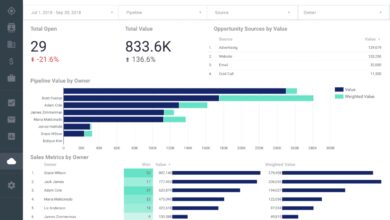
Without a clear view of your sales funnel, it’s easy to lose track of leads or miss follow-ups. Online CRM software for small business provides visual dashboards that map every stage of the customer journey—from initial inquiry to closed deal.
- Monitor lead progression with drag-and-drop pipeline views
- Set automated reminders for follow-ups
- Forecast revenue based on current deal stages
“A CRM doesn’t just organize data—it turns it into actionable insights.” — Forbes
Tools like Forbes highlight that businesses using CRM systems see up to a 29% increase in sales performance.
Top 7 Online CRM Software for Small Business in 2024
Choosing the right CRM can be overwhelming. To simplify your decision, we’ve analyzed the top 7 online CRM software for small business based on affordability, ease of use, scalability, and feature richness.
1. HubSpot CRM
HubSpot CRM stands out as one of the most user-friendly and powerful online CRM software for small business. It’s completely free to start, making it ideal for startups and growing teams.
- Free plan includes contact management, email tracking, and deal pipelines
- Seamless integration with Gmail, Outlook, and HubSpot’s marketing tools
- AI-powered insights for lead scoring and email suggestions
As your business grows, HubSpot offers paid tiers with advanced automation and analytics. Visit HubSpot’s official site to explore its full suite.
2. Zoho CRM
Zoho CRM is a feature-rich platform tailored for small to mid-sized businesses. It combines affordability with enterprise-level capabilities.
- Customizable sales automation workflows
- AI assistant (Zia) for predictive forecasting and sentiment analysis
- Mobile app with offline access
Zoho integrates with over 400 apps, including QuickBooks, Mailchimp, and Google Workspace. Learn more at Zoho CRM.
3. Salesforce Essentials
While Salesforce is known for serving large enterprises, Salesforce Essentials is specifically designed for small businesses with up to 10 users.
- Simple setup with pre-built templates
- Real-time collaboration tools
- Strong reporting and dashboard capabilities
It’s a bit pricier than others but offers unmatched scalability. Explore it at Salesforce Essentials.
4. Freshsales (by Freshworks)
Freshsales is a modern CRM built for speed and simplicity. It’s perfect for sales-driven small businesses that want automation without complexity.
- Visual deal pipeline with drag-and-drop functionality
- Built-in phone and email within the CRM
- AI-based lead scoring to prioritize hot prospects
Freshsales also offers a free plan for up to 10 users. Check it out at Freshworks CRM.
5. Insightly
Insightly excels in project and customer relationship management, making it ideal for service-based small businesses like consultants, contractors, or agencies.
- Project management integrated with CRM data
- Workflow automation for lead nurturing
- Customer lifecycle tracking from lead to repeat buyer
It supports bidirectional sync with Google Calendar and Contacts. Learn more at Insightly.
6. Pipedrive
Pipedrive is built by salespeople, for salespeople. Its visual sales pipeline is intuitive and highly effective for managing deals.
- Focus on deal progression rather than data overload
- Custom fields and automation rules
- Mobile app with voice-to-note dictation
Pipedrive is especially popular among startups and solo entrepreneurs. Visit Pipedrive to start a free trial.
7. Agile CRM
Agile CRM combines CRM, marketing automation, and helpdesk functions into one affordable package.
- Free plan for up to 10 users with basic features
- Website tracking and pop-up forms
- Task management and calendar sync
While the interface can feel cluttered, its all-in-one nature makes it a solid choice for budget-conscious businesses. Explore it at Agile CRM.
Key Features to Look for in Online CRM Software for Small Business
Not all CRMs are created equal. When evaluating online CRM software for small business, focus on features that align with your operational needs and growth goals.
Contact and Lead Management
The foundation of any CRM is its ability to store and organize customer information. Look for tools that allow you to:
- Import contacts from email, social media, or spreadsheets
- Tag and segment leads by industry, location, or behavior
- Duplicate detection to avoid data clutter
Effective lead management ensures no opportunity slips through the cracks.
Automation and Workflow Tools
Time is your most valuable asset. Automation reduces manual work and ensures consistency.
- Email sequences triggered by user actions
- Task assignments based on deal stage
- Follow-up reminders and calendar integration
For example, when a lead downloads a brochure, the CRM can automatically send a thank-you email and assign a sales rep to follow up.
Reporting and Analytics
Data-driven decisions separate successful businesses from the rest. A good CRM should offer:
- Sales performance dashboards
- Conversion rate tracking
- Customer lifetime value (CLV) calculations
These insights help you refine your strategies and allocate resources more effectively.
How to Choose the Right Online CRM Software for Small Business
Selecting the best CRM isn’t about picking the most expensive or feature-heavy option—it’s about finding the right fit for your team, budget, and goals.
Assess Your Business Needs
Start by asking: What are your biggest pain points? Is it lead tracking? Follow-up delays? Poor team collaboration? Define your primary objectives before exploring options.
- Service-based business? Prioritize appointment scheduling and project tracking
- Sales-heavy? Focus on pipeline visibility and automation
- E-commerce? Look for integrations with Shopify or WooCommerce
Understanding your needs ensures you don’t pay for unnecessary features.
Consider Ease of Use and Onboarding
A CRM is only effective if your team actually uses it. Complex systems lead to low adoption rates.
- Look for intuitive interfaces with minimal learning curve
- Check if the provider offers onboarding support or training
- Test the mobile app for remote access
HubSpot and Pipedrive, for instance, are praised for their user-friendly designs.
Scalability and Integration Capabilities
Your CRM should grow with your business. Evaluate whether the software can handle:
- Increased number of users and contacts
- Advanced reporting as you scale
- Integration with tools like email marketing, accounting, or helpdesk software
Zoho CRM and Salesforce Essentials are excellent choices for businesses planning long-term growth.
Common Challenges and How to Overcome Them
Even the best online CRM software for small business can face adoption hurdles. Here’s how to tackle common issues.
Low Team Adoption
Employees may resist using a new system if it feels like extra work.
- Involve your team in the selection process
- Provide hands-on training and ongoing support
- Highlight time-saving benefits with real examples
According to CIO.com, companies that invest in CRM training see 3x higher user adoption rates.
Data Migration Issues
Transferring data from spreadsheets or legacy systems can be messy.
- Clean your data before migration (remove duplicates, update fields)
- Use built-in import tools or third-party migration services
- Test with a small dataset first
Most CRMs like Zoho and HubSpot offer step-by-step import wizards.
Over-Automation
While automation saves time, too much can make communication feel robotic.
- Personalize automated emails with merge tags
- Set up human touchpoints at key stages
- Monitor customer feedback to adjust tone and timing
“Automation should enhance, not replace, human connection.” — Harvard Business Review
Visit Harvard Business Review for best practices on balancing automation and personalization.
Real-World Success Stories
Seeing how other small businesses benefit from online CRM software for small business can inspire confidence in your decision.
Local Marketing Agency Boosts Client Retention
A boutique digital marketing agency in Austin, Texas, struggled with managing client campaigns and follow-ups. After implementing HubSpot CRM, they automated client onboarding, tracked project milestones, and set up post-campaign feedback emails.
- Client retention increased by 35% in 6 months
- Sales cycle shortened by 20%
- Team collaboration improved with shared task lists
The agency credits HubSpot’s ease of use and integration with Gmail as key factors.
E-Commerce Store Scales with Zoho CRM
An online fashion retailer with 5 employees used spreadsheets to manage orders and customer inquiries. As sales grew, they faced delays and missed opportunities.
After switching to Zoho CRM:
- Automated order confirmation and shipping updates
- Segmented customers by purchase frequency for targeted promotions
- Integrated with Shopify for real-time inventory sync
Within a year, repeat customer rate rose by 40%, and support response time dropped from 24 hours to under 2 hours.
Future Trends in Online CRM Software for Small Business
The CRM landscape is evolving rapidly. Staying ahead means understanding upcoming trends that could impact your business.
AI-Powered Personalization
Artificial intelligence is making CRMs smarter. Expect features like:
- Predictive lead scoring based on behavior patterns
- AI-generated email drafts and response suggestions
- Chatbots that qualify leads 24/7
HubSpot and Zoho are already integrating AI assistants to enhance user productivity.
Mobile-First CRM Experiences
With remote work and field sales on the rise, mobile CRM access is no longer optional.
- Offline mode for data entry without internet
- Voice-to-text note-taking during client meetings
- GPS-based visit tracking for service teams
Pipedrive and Freshsales lead the pack with robust mobile apps.
Deeper E-Commerce and Social Media Integration
As customers engage across multiple channels, CRMs are becoming omnichannel hubs.
- Track interactions from Instagram, Facebook, and WhatsApp
- Synchronize customer data from Shopify, WooCommerce, or BigCommerce
- Trigger personalized offers based on browsing behavior
This trend ensures no customer touchpoint is missed, creating a seamless experience.
What is the best online CRM software for small business?
The best online CRM software for small business depends on your specific needs. HubSpot CRM is ideal for startups due to its free plan and ease of use. Zoho CRM offers the most features for growing teams, while Pipedrive excels in sales pipeline management. Evaluate your budget, team size, and goals before deciding.
Is online CRM software expensive for small businesses?
Not necessarily. Many online CRM software for small business options offer free plans (like HubSpot and Agile CRM) or affordable monthly subscriptions starting at $10–$25 per user. The ROI in improved sales and customer retention often outweighs the cost.
Can I integrate CRM with my existing tools?
Yes, most online CRM software for small business supports integrations with email, calendars, marketing tools, and e-commerce platforms. Check compatibility with your current stack—most providers list integrations on their websites.
How long does it take to set up a CRM?
Basic setup can take as little as 1–2 hours for simple CRMs like HubSpot. More complex systems may require 1–2 weeks, including data migration and team training. Many vendors offer onboarding support to speed up the process.
Do I need IT skills to use online CRM software?
No. Modern online CRM software for small business is designed for non-technical users. Drag-and-drop interfaces, pre-built templates, and customer support make it easy to get started without coding or IT expertise.
Choosing the right online CRM software for small business isn’t just a tech upgrade—it’s a strategic move to build stronger customer relationships, boost sales efficiency, and scale sustainably. From HubSpot’s user-friendly interface to Zoho’s robust automation, the tools are available to fit every budget and need. The key is to start small, focus on adoption, and let the data guide your growth. With the right CRM, your small business isn’t just keeping up—it’s leading the way.
Further Reading: